Is it damp, condensation, or mould? (And why the answer changes everything)
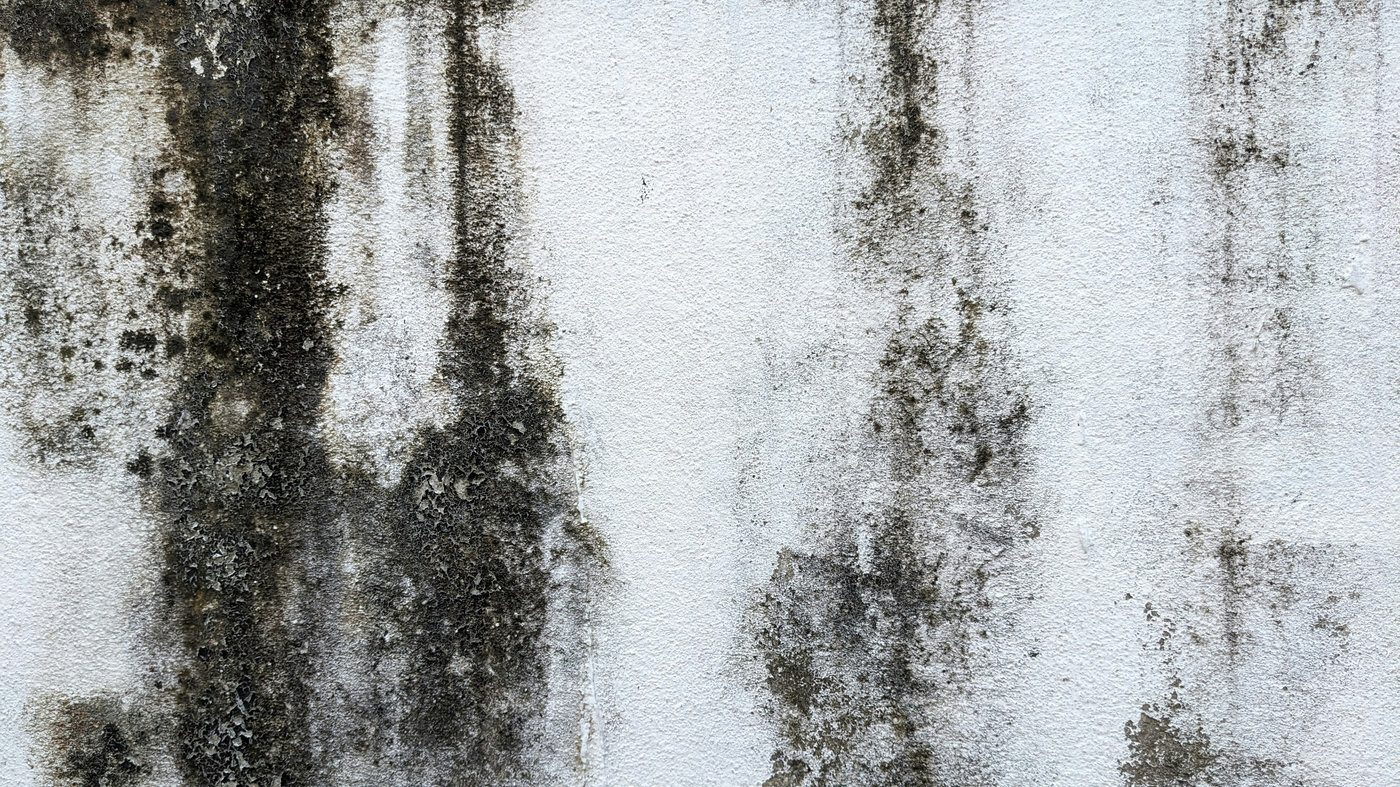
Damp, condensation, and mould are three things that get used interchangeably in maintenance conversations — but they're not the same thing, they don't have the same causes, and they don't have the same fixes. Getting the diagnosis wrong doesn't just mean wasted money on the wrong treatment. It means the problem keeps coming back, which, under Awaab's Law (which we covered in a previous post), is not a position any private landlord wants to be in.
Here's how to tell them apart and what each one actually needs.
What is condensation — and why does mould follow it?
Condensation is moisture from the air depositing on cold surfaces. Walls, windows, corners, and north-facing rooms are the usual suspects. It happens when there's a combination of moisture generation — cooking, showering, breathing, drying clothes inside — and insufficient ventilation to shift it. The moisture-laden warm air hits a cold surface, drops its water content, and stays there.
Left unchecked, condensation creates ideal conditions for mould. The black or grey patches you find in bathroom corners, around window frames, or on cold external walls are almost always mould that's grown from prolonged condensation. It looks dramatic, it affects air quality, and under Awaab's Law landlords in the private rented sector are now expected to respond to it within defined timeframes.
The critical point: treating the mould without addressing the condensation that caused it brings it back within weeks. The fix is improving ventilation and reducing moisture at source — working extractor fans in bathroom and kitchen, trickle vents, heating patterns that avoid cold spots, and sometimes a conversation with the tenant about drying clothes and airing the property. The mould itself can be treated, but the conditions have to change or it returns.
What is rising damp?
Rising damp is ground moisture travelling upward through masonry, usually because a damp proof course is absent, failed, or bridged. It's considerably less common than it's sometimes diagnosed — a lot of what gets called rising damp is actually condensation — but it does exist, particularly in older London properties predating modern building standards.
The distinguishing features are a tidemark at the base of walls (typically not rising above a metre or so), salt deposits or efflorescence on the wall surface, and plaster that's damaged or blown even in warm, dry weather. Rising damp is consistent — it doesn't get dramatically worse in cold weather the way condensation-related problems do.
The fix is a proper damp proof course, followed by specialist re-plastering. Anti-mould paint applied over rising damp achieves very little. This is a job for a damp specialist, not a decorator.
What is penetrating damp?
Penetrating damp enters from outside — through cracked render, failed pointing, defective flashings, leaking gutters, damaged roofing, or failing window frames. Unlike rising damp, it can appear at any level on the wall and the pattern of damp tends to map directly to the external fault. It typically gets worse during and after rain.
The only fix is identifying and repairing the external defect. Everything done internally is temporary until the source is dealt with. If you're getting damp appearing on an upper floor or ceiling, or if damp patches are clearly worse after heavy rain, penetrating damp is the most likely cause.
The practical takeaway for landlords
When a tenant reports damp or mould, the first question is always: what is actually causing this? A condensation problem and a penetrating damp problem can look very similar from inside the flat and need completely different responses.
We deal with all three. We can assess what's actually going on, carry out the appropriate repair or remedial works, and document the process — which matters more than ever now that Awaab's Law is extending to the private sector. If you've got a property with a damp, mould, or moisture issue, don't let it sit: give us a call on 020 7993 8277 or email info@lapps.co.uk.
Legal disclaimer: The information in this post is provided for general guidance purposes only and does not constitute legal or professional surveying advice. Damp diagnosis can be complex and individual properties vary — we recommend engaging a qualified professional if you are uncertain about the cause or extent of any problem. LAP Property Services accepts no liability for any decisions made in reliance on this content.
LAP Property Services provide property maintenance, electrical, gas, and compliance services to landlords and letting agents across London. Visit www.lapps.co.uk to find out more.