Everything has a shelf life: how long things actually last in a rental property
One of the most common questions we get asked — usually at the end of a tenancy, and usually after something has just given up — is whether an item is worth repairing or whether it's time to replace it. The honest answer always depends on age, condition, and what the repair is going to cost relative to replacement. But there are useful rules of thumb, and knowing them in advance is considerably better than having the conversation in an emergency.
Here's our practical guide to replacement timelines, based on what we actually see.
Boilers
A modern combi boiler in a well-maintained rental property has a realistic life expectancy of 10-15 years. Regular annual servicing puts you at the longer end; a boiler that's been left to its own devices may not reach ten. After twelve years or so, parts become harder to source and repair costs begin mounting up disproportionately.
If a boiler is over twelve years old and has just broken down, the repair-versus-replace calculation is usually not that complicated. A new boiler also brings improved energy efficiency, which is worth thinking about if you're working toward an EPC upgrade before the 2030 minimum C requirement comes in.
Carpets
Carpets in rental properties realistically last 5-8 years under normal use. Heavy footfall, pets, children, or a run of short tenancies can shorten that considerably. Carpet quality matters too — the cheaper the carpet at installation, the sooner you're replacing it.
At end of tenancy the key question is whether what you're looking at is fair wear and tear or tenant damage, and age is central to that assessment. A five-year-old carpet in a four-bedroom HMO has had a harder life than a five-year-old carpet in a single-let studio flat. The calculation on apportionment — how much wear was already expected — needs to factor in both age and use. (We covered this in more detail in our end of tenancy post.)
Kitchen units
A fitted kitchen in a rental property has a useful life of roughly 10-15 years. Individual components — hinges, drawer runners, worktop edges — tend to give out before the whole thing needs replacing, and a repair here or a replacement door there can extend the kitchen's life considerably.
If a kitchen is looking tired but structurally sound, it's often worth considering a refresh before a full replacement. New doors, handles, and a worktop can transform the look for a fraction of the cost of a new kitchen and buy another five or more years. We see too many landlords going straight to a full refit on a kitchen that had a lot of life left in it.
Bathrooms
Bathroom suites — the sanitaryware itself — last a long time if they're not physically damaged. What tends to age a bathroom visibly first is the sealant, the grouting, the tiling, and the accessories. A suite that's fifteen years old often looks it primarily because of grout that's gone grey and sealant that's peeling rather than any problem with the bath, basin, or toilet.
A professional re-seal and re-grout is one of the better-value maintenance jobs in a rental property. It freshens the bathroom significantly, protects against water ingress behind surfaces, and can hold off the need for a full refit by several years.
White goods
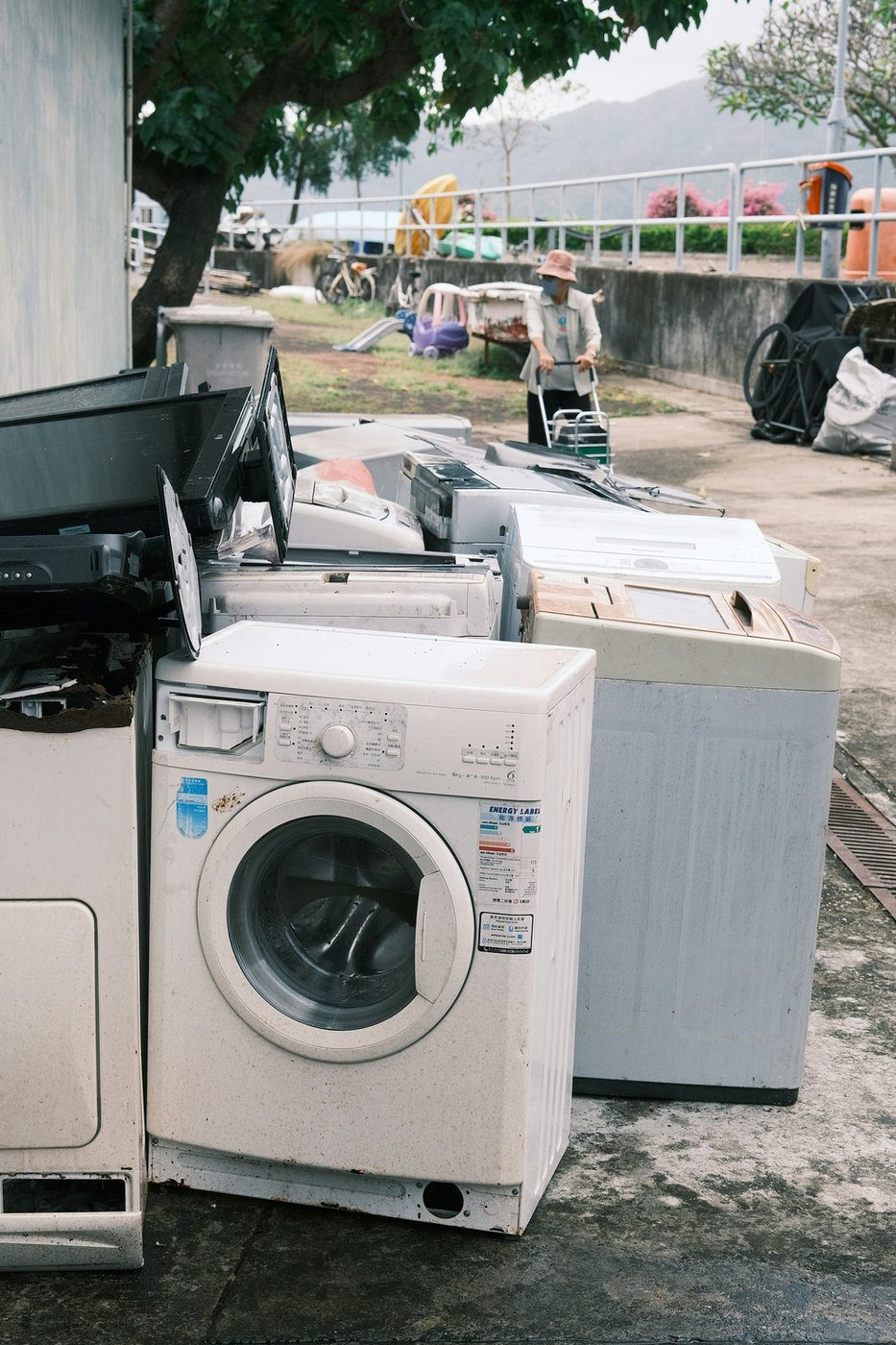
Washing machines, dishwashers, and fridge-freezers have a typical life expectancy of 8-12 years. Tumble dryers tend to sit at the shorter end of that range. Beyond ten years, the repair-versus-replace calculation starts tilting toward replacement — parts become harder to find, labour costs mount up, and a new appliance comes with a warranty and improved energy efficiency.
If you provide white goods as part of a let and they're approaching eight years old, it's worth building replacement into your planning rather than being caught out by a failure mid-tenancy.
Windows and doors
UPVC windows and doors have a typical lifespan of 20-30 years. Condensation between the panes of a double-glazed unit — as opposed to on the inside face of the glass — indicates a failed sealed unit, which needs replacing even if the frame itself is fine. Sealed unit replacement is significantly cheaper than replacing the whole window and is often the right call on frames that are otherwise serviceable.
Stiff locks, warped frames, and draughts around edges all indicate a window or door approaching the end of its life, or one that needs attention before it gets there.
The honest take
The landlords who manage their costs best are the ones who don't wait for things to fail. A regular property inspection — even once a year — lets you see what's approaching the end of its life and plan for it, rather than dealing with it as an emergency in the middle of winter with a tenant waiting.
If you'd like a realistic assessment of where anything in your property sits, give us a call on 020 7993 8277 or email info@lapps.co.uk. We're happy to take a look and give you an honest view.
Legal disclaimer: The information in this post is provided for general guidance purposes only. Lifespans given are estimates based on typical conditions and use — actual lifespan varies by quality, installation, and usage patterns. LAP Property Services accepts no liability for any decisions made in reliance on this content.
LAP Property Services provide property maintenance, electrical, gas, and compliance services to landlords and letting agents across London. Visit www.lapps.co.uk to find out more.