The drip, the rattle, and the slightly stiff door: why small repairs don't stay small
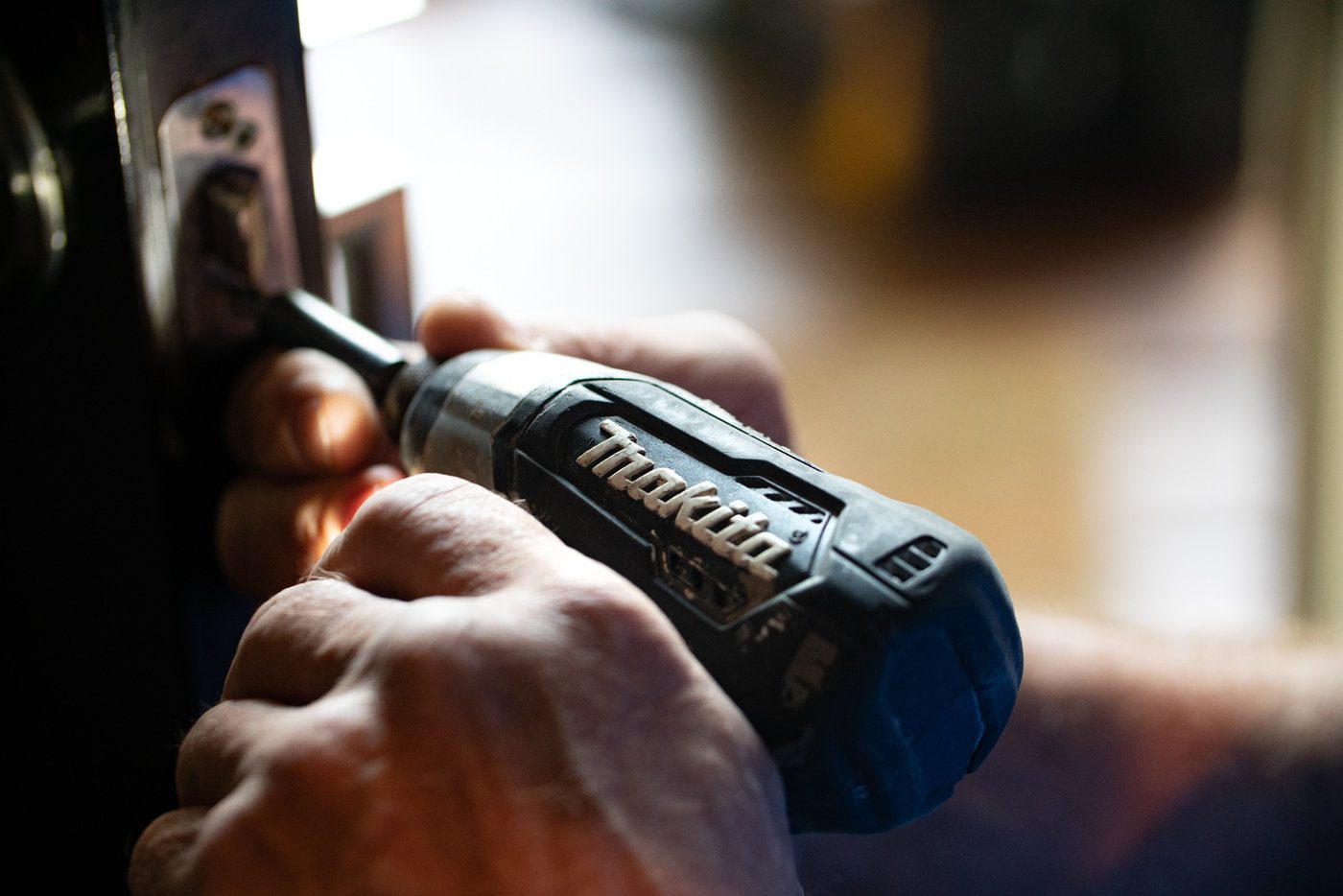
We see it every week. A landlord calls us about a leak, a damaged ceiling, or a door that won't close properly. We look at what's there, and the story is almost always the same: at some point in the past — months ago, sometimes longer — there was a small job that would have cost very little. It was deferred. And now here we are.
This isn't a lecture. Maintenance gets deferred for all sorts of reasons: it wasn't urgent, something else came up, the tenant said they'd manage. But certain small repairs have a well-established track record of becoming large ones, and knowing what they are is genuinely useful.
Dripping taps and slow leaks
A dripping tap is not just annoying — it's water landing somewhere it shouldn't, consistently, over an extended period. Under a kitchen sink, a slow drip softens the base unit, warps the floor beneath it, and creates the conditions for damp that can spread further than you'd expect. A tap washer or cartridge replacement is one of the simplest jobs in maintenance. The downstream damage from leaving it is not.
It's worth making a habit of checking under kitchen and bathroom sinks during any property visit. Any sign of staining, swelling, or residual moisture means something has been dripping, and the sooner it's dealt with the better.
Bathroom and kitchen sealant
Sealant around baths, shower trays, basins, and kitchen worktops is the first line of defence against water getting behind surfaces. Once it cracks, peels, or starts lifting, water gets in. Behind a bath panel or under a shower tray is not somewhere you want water to be — what begins as a sealant failure can become damaged subfloor and, eventually, structural issues in the ceiling below.
Re-sealing is one of the most cost-effective maintenance jobs there is. It's worth doing as soon as sealant shows any deterioration, rather than waiting until there's visible damage to point to.
Stiff or ill-fitting doors
A door that's slightly hard to close in summer tends not to close at all in winter. Timber swells and contracts seasonally, and a door that's marginally out of alignment will only move further out over time. Beyond the inconvenience, there's a more specific concern in rental properties: an internal fire door that doesn't close properly isn't performing its function. Fire door integrity isn't optional.
A plane and adjust is a short job. A door frame that's been under strain for two years from a door that doesn't fit is a more involved repair.
Gutters and external drainage
We covered gutters in the winter preparation post, but they deserve a mention here too. Blocked gutters are one of the most common routes by which water finds its way into a property, and one of the most regularly deferred maintenance tasks. "It's only a blocked gutter" is almost always how the conversation starts before we're standing inside looking at water damage on a ceiling.
Regular gutter clearing — once a year in autumn — is inexpensive and removes a significant risk. The cost of clearing a blocked gutter is a fraction of the cost of treating the water ingress it causes.
Grouting and tiling
Failed grouting allows water behind tiles. In a bathroom or shower enclosure, that means water sitting against the substrate — often plasterboard — where it has no business being. A retile is expensive. A regrout, done at the point when the grout is failing but before water has penetrated, costs a fraction of that.
Black or crumbling grout, tiles that sound hollow when tapped, or any movement in tiles when pressed are all signs that this is worth looking at before it progresses.
The bigger picture
There's a reasonable case that a small works visit every six months — not responding to a specific complaint, but a general inspection and snag list — is one of the better investments a landlord can make. It catches the things tenants don't report because they don't think it's significant, or because they've stopped noticing, and it means you're never in the position of discovering a problem that's been quietly developing for a year.
If you'd like us to carry out that kind of visit, we're well set up for it. Call us on 020 7993 8277 or email info@lapps.co.ukand we'll talk through what makes sense for your property.
Legal disclaimer: The information in this post is provided for general guidance purposes only. Individual property circumstances vary — we recommend engaging a qualified professional for any repair work you are uncertain about. LAP Property Services accepts no liability for any decisions made in reliance on this content.
LAP Property Services provide property maintenance, electrical, gas, and compliance services to landlords and letting agents across London. Visit www.lapps.co.uk to find out more.