Something in the water: legionella and what landlords actually have to do
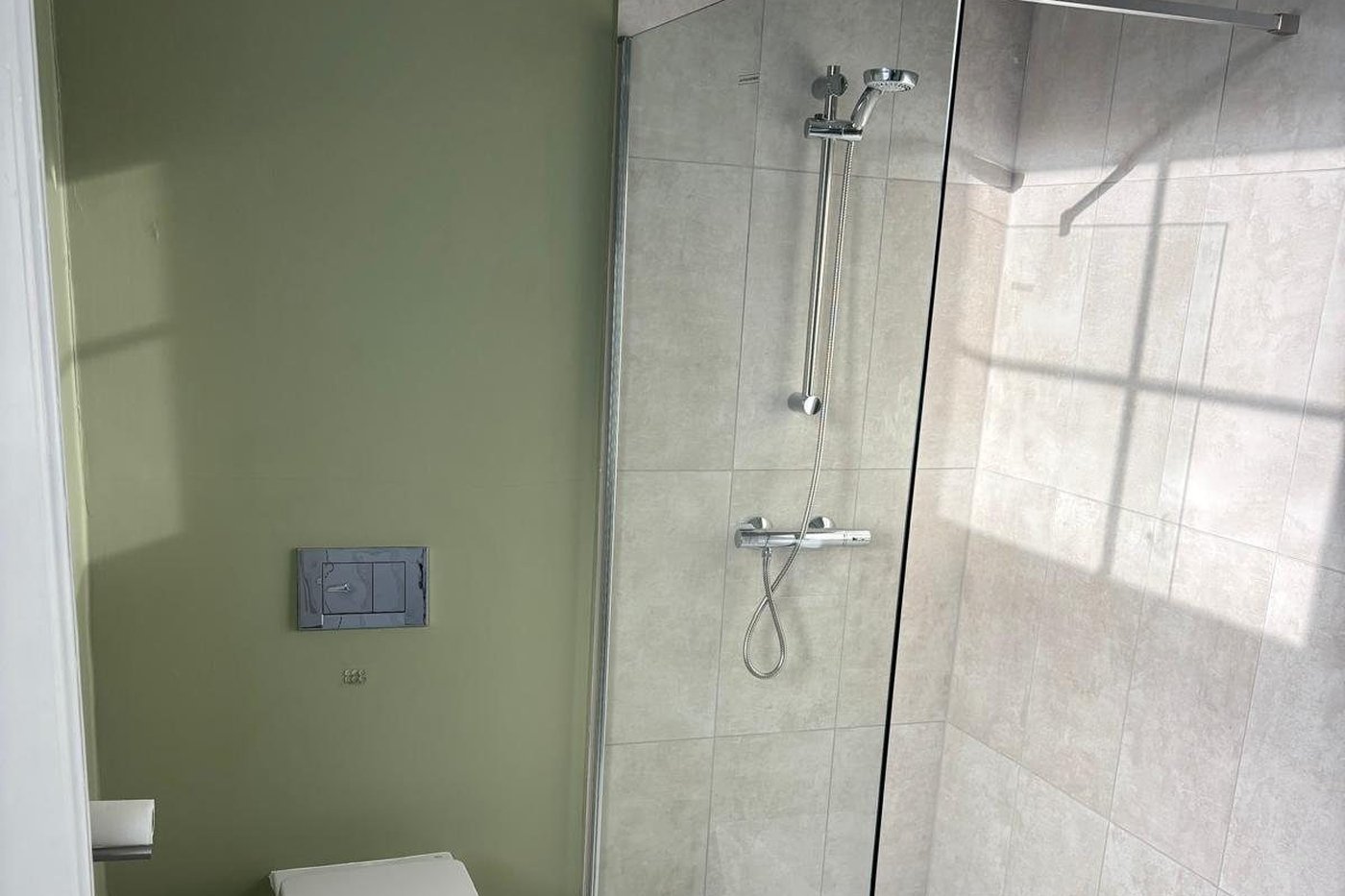
Legionella is one of those landlord duties that tends to get either ignored entirely or wildly overcomplicated. Some landlords have never heard of it. Others have been told they need an annual "legionella certificate" and a lab test of their water. Neither is right.
Here's what the duty actually is, what a sensible risk assessment looks like for a typical rented flat or house, and the handful of practical things that keep the risk low.
What legionella is, and why it matters
Legionella bacteria live naturally in water. At low levels they're harmless, but in the right conditions they multiply, and if someone breathes in fine water droplets containing them (from a shower, for example) they can develop Legionnaires' disease, a serious form of pneumonia. Older people, smokers and anyone with a weakened immune system are most at risk.
The bacteria thrive in water that sits between roughly 20°C and 45°C, especially where it's stagnant and where there's scale, sludge or rust for them to feed on. That's why the risk is mainly about stored water and water that isn't being used.
What the law actually requires
Landlords have a duty under the Health and Safety at Work etc. Act 1974 and the Control of Substances Hazardous to Health Regulations 2002 to make sure tenants aren't exposed to risks from the water system in their home. In practice, that means assessing the legionella risk and controlling it. The Health and Safety Executive's guidance (the L8 Approved Code of Practice and HSG274) explains how.
What the law does not require:
- There is no such thing as a legally required "legionella certificate".
- Routine water sampling or lab testing isn't needed for a typical domestic property.
- You don't have to use a specialist. If you understand the risks and the system, you can carry out the assessment yourself, though many landlords prefer to have it done professionally.
What you should do is record that you've assessed the risk and what controls are in place. If a tenant falls ill and questions are asked, a dated record is your evidence that you took it seriously.
Is your property high or low risk?
Most rented homes are low risk, particularly modern flats with a combi boiler, where hot water is heated on demand and nothing is stored. The risk goes up where you have:
- A hot water cylinder, especially one set to a low temperature to save energy.
- A cold water storage tank in the loft, particularly one without a proper lid or insulation.
- Little-used outlets, such as a second shower room, an outside tap, or a basin in a spare room.
- "Dead legs": lengths of pipe left behind after a kitchen or bathroom was changed, where water sits and never moves.
- A property standing empty between tenancies, even for a couple of weeks.
- Vulnerable occupants, such as older tenants or anyone in poor health.
The practical controls
For most properties, keeping the risk low comes down to a few simple things:
- Keep hot water hot. Stored hot water should be at 60°C, and it should reach the taps at 50°C or above within about a minute. (Use thermostatic mixing valves where scalding is a concern.)
- Keep cold water cold, below 20°C. That means insulated pipes and a cold tank that isn't sitting next to a hot cylinder or in direct sun.
- Keep water moving. Remove dead legs when you're doing works, and make sure little-used outlets get run regularly.
- Keep it clean. Cold tanks should have a tight-fitting lid and be free of debris. Shower heads should be descaled and disinfected periodically.
Between tenancies: the most overlooked risk
An empty property is the classic legionella scenario: water sits in the pipes for weeks at room temperature, and the first thing the new tenant does is take a shower. Before anyone moves in, every tap and shower should be flushed through for several minutes, starting with the outlet furthest from the water source. Run showers with the head held low, or removed, to avoid breathing in the spray.
If a property is going to be empty for a while, it's worth having someone flush it through weekly. It's exactly the kind of thing we build into our between-tenancy works.
What to tell your tenants
Tenants are part of the control too. A short note in the move-in pack covering the basics goes a long way:
- Don't turn the hot water cylinder thermostat down below 60°C.
- Run the shower and taps for a few minutes after being away for a week or more.
- Clean and descale the shower head every few months.
- Tell the landlord or agent straight away if the hot water isn't getting hot, or if the cold water feels warm.
The honest answer
For a typical London flat with a combi boiler, a legionella risk assessment is a short exercise, and the outcome is usually "low risk, keep doing the basics". The landlords who get caught out aren't the ones without a fancy certificate. They're the ones with a lukewarm cylinder, an uncovered loft tank and a property that stood empty for a month before the new tenant moved in.
If you'd like us to check cylinder temperatures, remove dead legs, sort out a loft tank or flush through a property before a new tenancy, give us a call on 020 7993 8277 or email info@lapps.co.uk. We can also carry out or arrange a recorded legionella risk assessment.
Legal disclaimer: The information in this post is provided for general guidance purposes only and does not constitute legal advice. Requirements may vary depending on the property and its occupants. We recommend referring to the Health and Safety Executive's guidance or seeking professional advice for your specific circumstances. LAP Property Services accepts no liability for any decisions made in reliance on this content.
LAP Property Services provide property maintenance, electrical, gas, and compliance services to landlords and letting agents across London. Visit www.lapps.co.uk to find out more.