Floor it: choosing the right flooring for a rental property
Flooring is one of the bigger decisions a landlord makes — bigger in terms of cost, bigger in terms of how much difference it makes to how a property presents, and bigger in terms of how often you'll be having the same conversation at end of tenancy. Getting it right saves money and time over the long run. Getting it wrong means replacing it sooner than you should.
Here's our honest view from the ground up.
Carpet: still the right choice in the right rooms
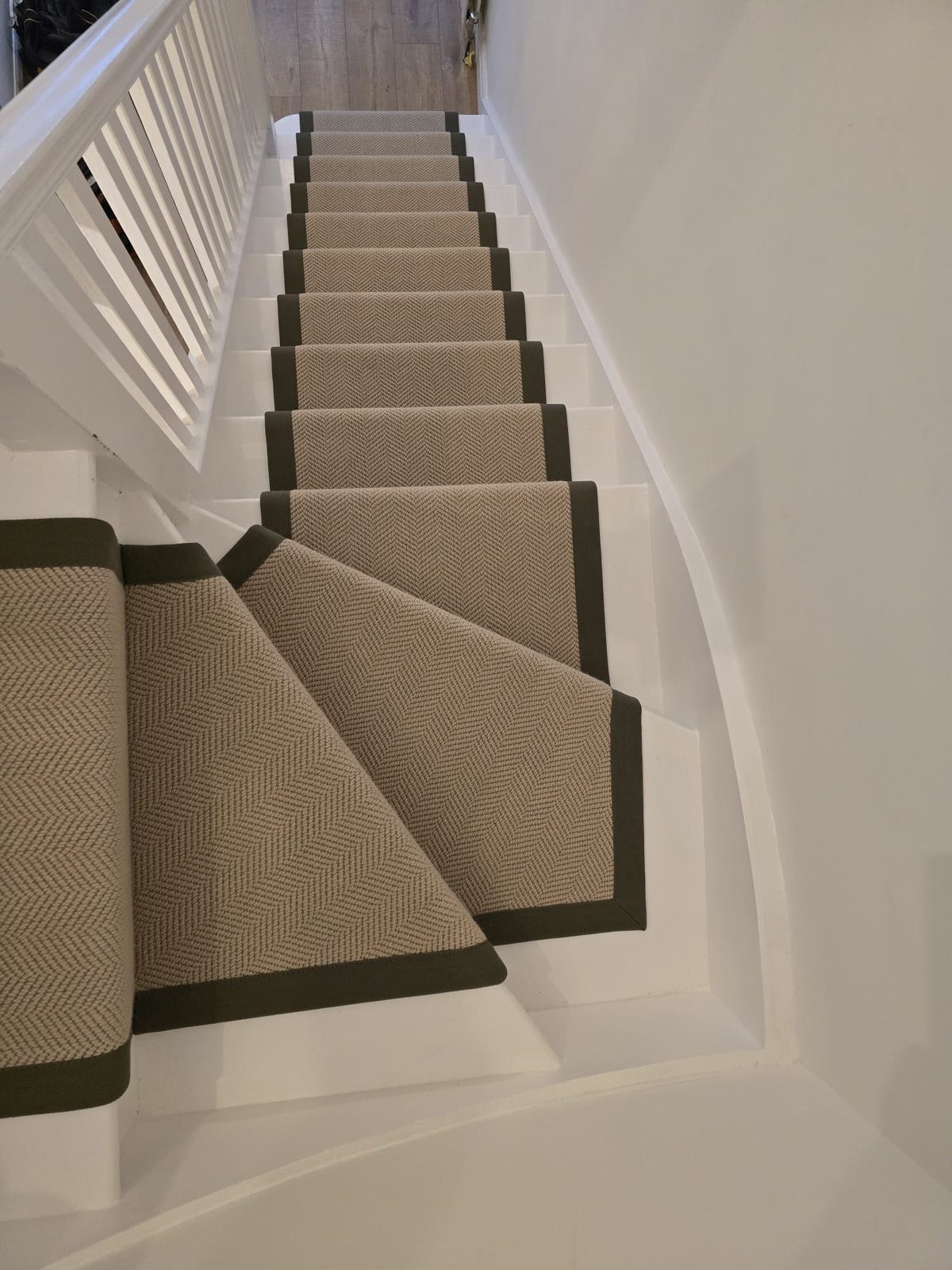
Carpet in bedrooms is still the norm in London rental properties, and there's a reasonable case for it. It's warm underfoot, reduces noise between floors (which matters in conversions and flats), and provided you choose a decent grade, it holds up well in low-traffic areas. In living rooms it's more of a judgement call — a good quality carpet in a living room can look great and last well, but it's less forgiving of spills and heavy use than hard flooring.
The mistake landlords make with carpet is buying cheap. A very inexpensive carpet will look tired within two or three years and become a disputed item at the end of a tenancy. A mid-range, hard-wearing twist pile carpet in a neutral colour will comfortably see a property through multiple tenancies and is far less likely to generate a dispute. Spend a bit more, replace it less.
Always use a good underlay. It extends the life of the carpet significantly and makes it feel considerably better underfoot — which is something tenants notice.
LVT: the best hard flooring option for most rentals
Luxury Vinyl Tile — LVT — has become the go-to hard flooring for rental properties and for good reason. It's highly durable, genuinely waterproof, warm underfoot compared to laminate, and available in designs that look good without costing a fortune. It handles the things rental properties throw at it — spills, heavy foot traffic, furniture being moved — better than almost anything else in its price range.
The other advantage is consistency: you can use the same LVT product throughout the ground floor of a property and it looks intentional rather than patchwork. If a section gets damaged, individual planks or tiles can usually be replaced without redoing the whole floor.
LVT is our most common recommendation for kitchens, hallways, living rooms, and bathrooms in rental properties. It's not the cheapest option upfront, but it outlasts laminate and significantly reduces replacement frequency.
Laminate: cheaper but with trade-offs
Laminate is less expensive than LVT and looks similar at a glance, but it has meaningful disadvantages in a rental context. It's not waterproof — most laminate will swell and lift if water sits on it for any length of time, which in a kitchen or bathroom is a real risk. It's also less forgiving of heavy furniture and tends to sound hollow underfoot in a way that LVT doesn't.
If budget is the primary constraint, laminate in dry areas is viable. But it's worth knowing that you're likely to replace it sooner, and the cost difference over the life of the tenancy is smaller than it looks at installation.
Tiles: right in the right places
Ceramic or porcelain tiles are durable, waterproof, and easy to clean — which makes them appropriate for bathrooms and wet rooms. In kitchens they're common but less forgiving underfoot than LVT for long periods of standing, and a dropped plate on tiles is unlikely to survive. In hallways they can work well but grout lines collect dirt and the surface can feel cold.
Tiles are a long-term investment in the right location. They're also an expensive mistake if they crack or need relaying early.
The practical summary
For most London rental properties, the combination we see working best is: LVT throughout the ground floor and wet rooms, mid-range twist pile carpet in bedrooms. It presents well, holds up to tenant use, and makes end-of-tenancy conversations straightforward because the materials have clearly defined lifespans and are difficult to damage accidentally.
If you're between tenancies and weighing up flooring options, we're happy to advise. We install all of the above and can give you an honest view of what makes sense for the specific property. Call us on 020 7993 8277 or email info@lapps.co.uk.
Legal disclaimer: The information in this post is provided for general guidance purposes only and does not constitute professional surveying or building advice. Individual property circumstances vary — we recommend seeking advice from a qualified professional for significant works. LAP Property Services accepts no liability for any decisions made in reliance on this content.
LAP Property Services provide property maintenance, electrical, gas, and compliance services to landlords and letting agents across London. Visit www.lapps.co.uk to find out more.